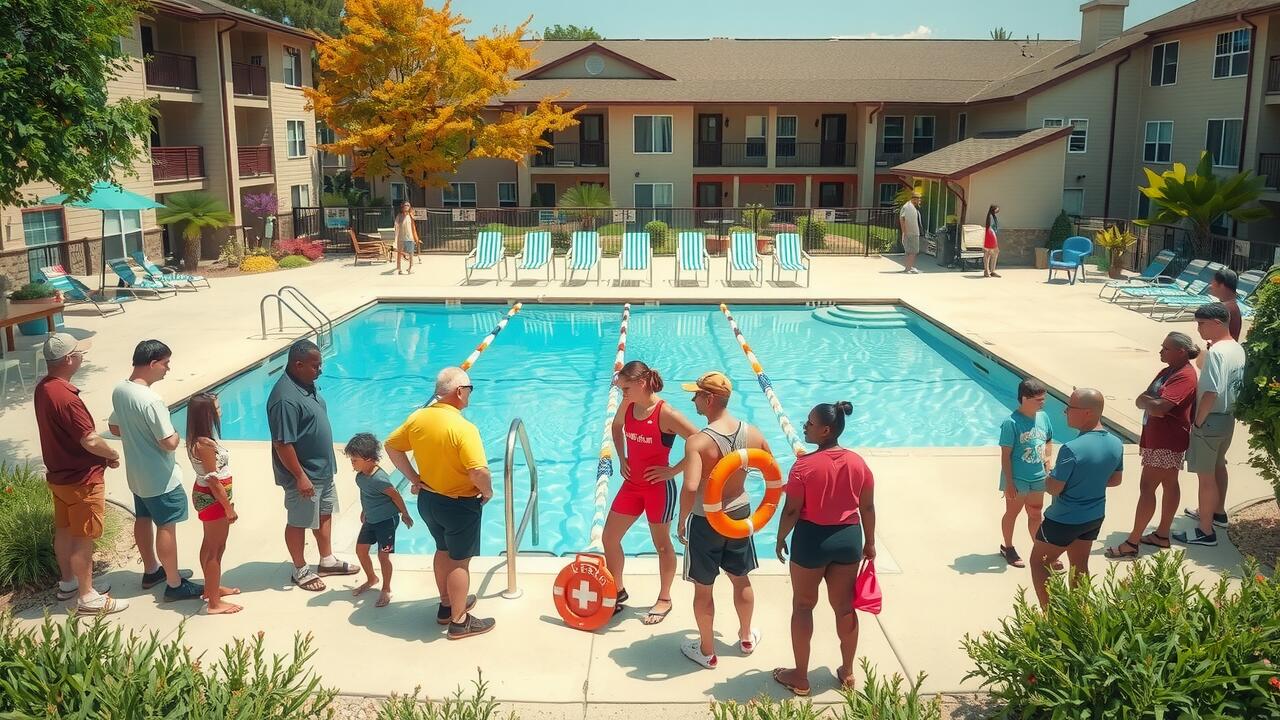
Performing a Safe Rescue
When witnessing a drowning incident, maintaining your own safety is paramount before attempting a rescue. Assess the situation carefully to determine the best course of action. Look for any potential hazards that might affect you, such as strong currents or unstable surroundings. Only proceed if you feel confident in your ability to save the individual without putting yourself in harm's way. If possible, call for help or shout to alert others nearby. This additional assistance can be crucial.
Once you have ensured your safety, you can begin the rescue. If the victim is within reach, extend a pole, stick, or any flotation device towards them. Avoid jumping in without proper equipment unless absolutely necessary. If the person is too far away, try using a flotation device that you can throw. Should the situation escalate and you need to enter the water, approach the drowning individual from behind and keep your focus on their movements to avoid being pulled under.
Techniques for Reaching the Victim
When witnessing someone in distress in the water, it's essential to consider your safety first. Approach the edge of the pool with caution, observing the victim’s movements and determining their level of consciousness. If the person is close enough to reach, extend a pole, life preserver, or any available flotation device. This allows you to assist the individual without putting yourself at risk of drowning.
If the victim is too far to reach, call for help immediately. Avoid jumping into the water unless you are trained in water rescues, as this can exacerbate the situation. In some cases, calling emergency services provides immediate assistance while keeping you at a safe distance. Always remain vigilant, looking for additional resources or people willing to assist in the rescue.
Providing First Aid
Once the person has been successfully rescued from the water, it is crucial to assess their condition immediately. Check for responsiveness and breathing. If the individual is unconscious and not breathing, initiate CPR without delay. Start with 30 chest compressions followed by two rescue breaths. Continue this cycle until professional help arrives or the person starts to breathe on their own. Even if the victim appears conscious, they should receive medical attention, as complications like water in the lungs or shock may arise.
If the individual is conscious, lay them on their side in a recovery position to help drain any water from their mouth. Provide warmth and reassurance to prevent shock. Monitor their breathing and remain with them until emergency services can take over. Always be prepared to relay important information to medical personnel upon their arrival, including the duration of submersion and any observed symptoms. This information will be vital for ensuring the victim receives appropriate care.
Steps to Follow After Rescuing the Person
Once the individual has been rescued from the water, it is essential to assess their condition immediately. Check for responsiveness and breathing. If the person is unconscious or not breathing, initiate CPR without delay. This action can significantly enhance their chance of survival. Ensure that someone else calls for emergency medical help while you provide assistance. If the person is breathing but remains unresponsive, place them in the recovery position to maintain an open airway and reduce the risk of choking.
Monitor the rescued individual closely. Look for signs of distress, such as coughing or difficulty breathing, which may indicate water inhalation. Keep them warm and comfortable until medical professionals arrive. Offer reassurance to alleviate any panic. Encourage them to remain still and calm, as overexertion can worsen their condition. If the person regains full consciousness, assess their understanding of the situation. Offer hydration, avoiding sugary or caffeinated beverages, and emphasize the need for a medical evaluation, regardless of how they feel.
Understanding Drowning Risks
Drowning can occur in mere seconds and often strikes unexpectedly. People of all ages are vulnerable, but certain groups such as young children and inexperienced swimmers face higher risks. Factors like alcohol consumption can impair judgment and coordination, contributing to the likelihood of an incident. Additionally, fatigue and medical conditions can further increase the danger of drowning events.
Environmental factors play a crucial role in drowning risks. Tides, currents, and waves present hazards in open water, while pool design can also impact safety. Poor visibility in murky water can disguise underlying dangers, making it difficult to see both the victim and potential rescue obstacles. Lifeguard presence and safety equipment availability are essential considerations when assessing a location for swimming or water activities, as they can significantly enhance overall safety.
Environmental Factors to Consider
Pools can vary greatly in design and depth, affecting both the likelihood of drowning incidents and rescue strategies. Shallow pools often present different challenges than deeper ones. For instance, the water's surface may appear calm while someone is struggling beneath it. Additionally, the presence of floating objects or pool toys can obstruct a clear view of the victim, complicating rescue efforts.
Environmental conditions such as wind, sun glare, or crowd noise can also impact awareness. A bright sun may hinder visibility, making it difficult to see a swimmer in distress. Similarly, large groups of people can create distractions, diverting attention from potential emergencies. Recognizing these factors can enhance situational awareness and increase the chances of a successful rescue.
FAQS
What should I do first if I see someone drowning in a pool?
The first step is to call for emergency help immediately, then assess the situation to ensure it is safe for you to enter the water.
Can I jump into the pool to rescue the drowning person?
Only jump in if you are trained in water rescue and feel confident in your abilities. Otherwise, try to reach them using a long object or throw them a flotation device.
What techniques can I use to reach a drowning victim safely?
You can use the "reach" technique by extending a pole or a stick towards the victim, or the "throw" technique by tossing a lifebuoy or flotation device to them.
What should I do after I have rescued someone from drowning?
After rescuing the person, provide first aid and ensure they are breathing. Call for medical assistance if they show signs of distress or if you’re unsure of their condition.
What environmental factors should I consider when responding to a drowning incident?
Be aware of the pool's depth, water temperature, visibility, and potential hazards like slippery surfaces or nearby obstacles that could impede rescue efforts.